No spray does not mean no work: how we handle pests in the tropics
Twenty years without pesticides at 13 feet of rain a year. Diversity, timing, living soil and a few fermented brews do most of the heavy lifting.
People assume a no-spray farm in the wet tropics must be a slug-eaten mess. Ours is not, and it comes down to a handful of habits.
Diversity is the first defence
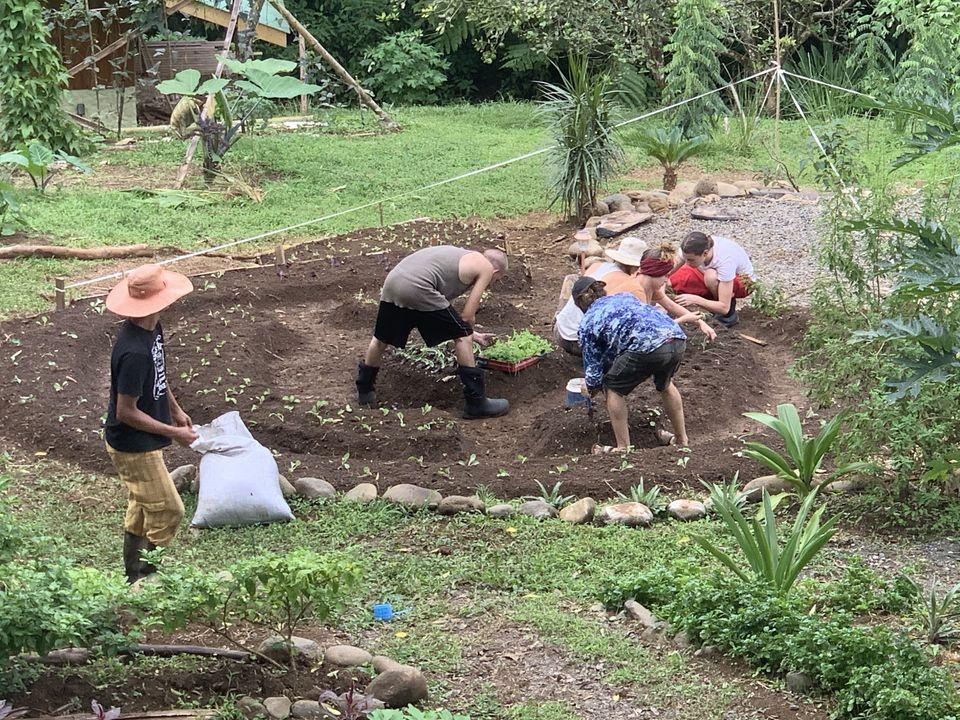
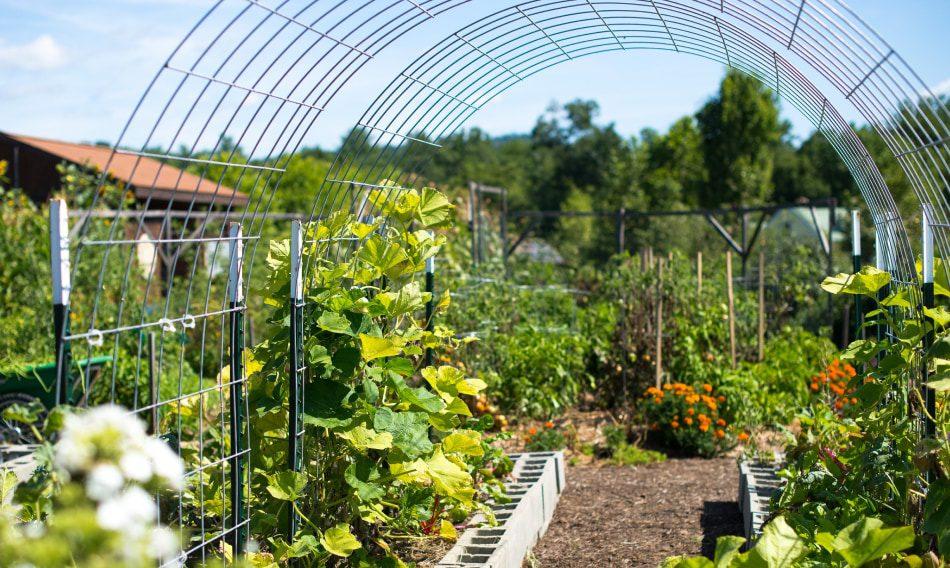
Monocultures invite pests to a buffet. A syntropic row with fifteen species confuses them. We rarely lose more than a few plants of anything.
Living soil
Healthy soil biology means healthy plants that pests ignore. We feed it with bokashi and mountain microorganisms — recipes we teach in our fertiliser workshop.
Timing
Plant lettuces in the drier months, root crops before the big rains, and accept that some things simply do not want to grow here in October.
The brews
Fermented plant juice from chilli, garlic and neem; a whey spray for fungal pressure; molasses to feed the good microbes. Nothing that would harm the watershed we drink from.
Come taste the difference on a farm tour.